

Introduction
In today's modern world, electricity is a crucial part of our daily lives. From powering our homes and businesses to driving industrial machinery and medical equipment, electricity plays a vital role in almost every aspect of our lives. However, power outages are an inevitable occurrence that can disrupt our daily routines and cause inconvenience and financial losses. This is where diesel generators come into play as a reliable solution for providing backup power during emergencies.
In this article, we will explore the importance of diesel generators for problem-solving during power outages. We will delve into the working principles of diesel generators, their advantages over other types of generators, and their applications in various industries. Additionally, we will discuss maintenance tips to ensure the optimal performance of diesel generators and their role in sustainability and energy efficiency.
The Working Principles of Diesel Generators
Diesel generators are a type of backup power system that generates electricity using a diesel engine. The diesel engine converts the chemical energy stored in diesel fuel into mechanical energy through combustion. This mechanical energy is then converted into electrical energy through an alternator, which produces an alternating current (AC) that can be used to power electrical devices.
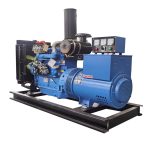
The key components of a diesel generator include the diesel engine, alternator, fuel system, cooling system, and control panel. The diesel engine is the primary component that drives the generator and consists of cylinders, pistons, and a crankshaft. The alternator is responsible for converting mechanical energy into electrical energy and is connected to the diesel engine through a belt or direct drive system.
The fuel system delivers diesel fuel from the fuel tank to the engine, where it is combusted to generate power. The cooling system is essential for maintaining the optimal operating temperature of the engine and preventing overheating. The control panel allows the user to start, stop, and monitor the performance of the generator, as well as control the transfer of power to the electrical load.
Advantages of Diesel Generators
Diesel generators offer several advantages over other types of generators, making them a popular choice for backup power solutions. Some of the key advantages of diesel generators include:
1. Reliability: Diesel generators are known for their reliability and durability, making them suitable for continuous operation during power outages. Diesel engines are robust and can withstand heavy loads and harsh operating conditions, ensuring uninterrupted power supply when needed.
2. Fuel Efficiency: Diesel generators are more fuel-efficient compared to gasoline generators, as diesel fuel has a higher energy density and provides more power output per gallon. This results in lower fuel consumption and longer run times, making diesel generators a cost-effective solution for backup power.
3. Longevity: Diesel engines have a longer lifespan and require less maintenance compared to gasoline engines, thanks to their robust construction and lower operating temperatures. This results in lower maintenance costs and extended service intervals, ensuring reliable performance over the long term.
4. Power Output: Diesel generators are capable of producing higher power output compared to other types of generators, making them suitable for powering large loads and critical equipment. Diesel engines can be scaled up to provide higher power capacities, making them ideal for industrial applications and large facilities.
5. Quick Start-Up: Diesel generators have a quick start-up time and can reach full power output within seconds of being activated. This rapid response time is essential during emergencies when immediate power is required to prevent downtime and minimize disruptions.
300kw diesel generator for small manufacturing of Diesel Generators
Diesel generators find a wide range of applications in various industries and settings, providing backup power solutions for critical operations and facilities. Some of the common applications of diesel generators include:
1. Residential Backup Power: Diesel generators are used in residential settings to provide backup power during power outages. They can power essential appliances such as refrigerators, lights, and heating systems, ensuring the comfort and safety of residents during emergencies.
2. Commercial Buildings: Commercial buildings such as offices, malls, and hotels rely on diesel generators to maintain power supply during outages. Diesel generators can power elevators, security systems, HVAC systems, and other critical equipment, ensuring uninterrupted business operations and customer satisfaction.
3. Healthcare Facilities: Hospitals, clinics, and medical centers require a reliable source of backup power to ensure the continuous operation of life-saving equipment and critical care units. Diesel generators are essential in healthcare facilities to provide power for lighting, ventilation, and medical devices during emergencies.
4. Industrial Applications: Industries such as manufacturing, mining, and construction rely on diesel generators to power heavy machinery, production lines, and critical processes. Diesel generators can provide backup power for essential equipment and operations, ensuring minimal downtime and maximizing productivity.
5. Telecommunications: Telecommunication networks require a reliable source of backup power to maintain connectivity during power outages. Diesel generators are used in cell towers, data centers, and communication hubs to power network equipment and ensure uninterrupted communication services.
Maintenance Tips for Diesel Generators
Proper maintenance is essential to ensure the optimal performance and longevity of diesel generators. Regular maintenance and inspections help identify potential issues early on and prevent costly breakdowns during emergencies. Some maintenance tips for diesel generators include:
1. Regular Inspections: Conduct routine inspections of the generator, including checking for leaks, loose connections, and worn-out parts. Inspect the fuel system, cooling system, and electrical components to ensure they are functioning properly.
2. Oil and Filter Changes: Change the oil and filters at regular intervals to maintain the lubrication and cleanliness of the engine. Use high-quality oil and filters recommended by the manufacturer to ensure optimal performance and reduce wear and tear.
3. Fuel Quality: Use clean and high-quality diesel fuel to prevent contamination and clogging of the fuel system. Store fuel in a clean and dry environment to avoid water accumulation and microbial growth, which can damage the engine.
4. Battery Maintenance: Inspect the batteries regularly and clean the terminals to ensure a strong connection. Test the batteries and replace them if they are weak or not holding a charge, as they are essential for starting the generator.
5. Cooling System: Check the coolant level and condition of the radiator to prevent overheating of the engine. Clean the radiator fins and replace the coolant at recommended intervals to maintain the optimal operating temperature of the engine.
6. Load Testing: Conduct regular load tests to ensure the generator can handle the required electrical load during emergencies. Test the transfer switch and control panel to ensure they are functioning properly and can safely transfer power to the load.
Sustainability and Energy Efficiency of Diesel Generators
While diesel generators provide reliable backup power solutions, they also raise concerns about sustainability and energy efficiency due to their reliance on fossil fuels. However, advancements in technology and regulations have led to the development of more environmentally friendly and energy-efficient diesel generators. Some ways to improve the sustainability and energy efficiency of diesel generators include:
1. Emissions Control: Modern diesel generators are equipped with advanced emission control systems that reduce harmful pollutants such as nitrogen oxides (NOx) and particulate matter. Technologies such as selective catalytic reduction (SCR) and diesel particulate filters (DPF) help minimize emissions and comply with environmental regulations.
2. Hybrid Systems: Hybrid diesel generators combine diesel engines with renewable energy sources such as solar panels, wind turbines, or battery storage to reduce fuel consumption and emissions. Hybrid systems optimize the use of multiple energy sources to provide backup power while minimizing environmental impact.
3. Fuel Efficiency: Improving the fuel efficiency of diesel generators can reduce fuel consumption and greenhouse gas emissions. Technologies such as variable speed drives, energy management systems, and intelligent controls help optimize fuel consumption and power output based on the load demand.
4. Energy Storage: Integrating energy storage systems such as batteries with diesel generators can improve energy efficiency and grid stability. Energy storage systems store excess energy from the generator and release it during peak demand periods, reducing fuel consumption and enhancing system reliability.
Conclusion
Diesel generators play a crucial role in providing backup power solutions for residential, commercial, industrial, and critical infrastructure applications. Their reliability, fuel efficiency, power output, and quick start-up time make them an essential tool for problem-solving during power outages. By following proper maintenance practices and adopting sustainable technologies, diesel generators can continue to serve as a reliable and efficient source of backup power while reducing environmental impact. As we continue to rely on electricity for our daily needs, diesel generators will remain a vital asset in ensuring uninterrupted power supply and safeguarding our communities during emergencies.